Stroke: A Complete Guide to Understanding, Assessing Risk, and Preventing Stroke
From signs and symptoms to treatment options and rehabilitation methods, this guide answers your stroke questions

A stroke is a medical emergency that happens when blood flow to the brain is blocked or when a blood vessel in the brain ruptures, preventing brain tissue from getting oxygen. The brain needs a constant supply of blood because it carries oxygen and nutrients, and when that supply is impacted, brain cells begin to die within minutes.
With nearly 800,000 people in the United States experiencing a stroke each year, you may know someone whose life has been affected—or you may be here because of concerns about your own health. A stroke can change everything in an instant, creating uncertainty and urgent questions for patients and their loved ones. This guide is here to help. Whether you’re reading for yourself or someone you care about, this resource is designed to help you feel informed, supported, and prepared to act.
Rapid treatment can reduce brain damage, as well as the risk of long-term disability and death. The sooner treatment starts, the better the chance of recovery, which can be supported through rehabilitation that is shaped around an individual’s specific needs.
If you think you or someone else may be having a stroke, call 911 immediately. Ambulance personnel will identify your type of stroke and get you to the hospital appropriate level of care for your type of stroke, ensuring rapid care. Fast action saves lives—and brain function.
Keep reading to learn more about stroke, including symptoms and signs to know, the different types of stroke, common treatments and rehabilitation, and more.
Stroke Education
What are the different types of stroke?
There are three main types of stroke: ischemic stroke, hemorrhagic stroke, and transient ischemic attack (TIA).
Types of stroke include:
- Ischemic stroke: An ischemic stroke, the most common type of stroke that accounts for about 87% of all strokes, occurs when a blood vessel supplying the brain is blocked, most often by a blood clot. Blockages can form in the brain or travel from another part of the body, such as the heart or neck. Treatments may include clot-busting medication or a procedure to remove the clot and restore blood flow to the brain.
- Hemorrhagic stroke: A hemorrhagic stroke, which is less common than ischemic stroke but often more severe, happens when a blood vessel in the brain ruptures and bleeds. The bleeding increases pressure on brain tissue and causes additional damage. Common causes include uncontrolled high blood pressure, aneurysms, and certain blood vessel abnormalities. Treatment focuses on controlling bleeding, reducing pressure in the brain, and addressing the underlying cause.
There are two types of hemorrhagic stroke:
- Intracerebral hemorrhage (ICH): Occurs when a blood vessel ruptures and bleeds into the tissue deep within the brain
- Subarachnoid hemorrhage (SAH): Occurs when an artery near the surface of the brain ruptures and bleeds into the space between the brain and the skull
- Transient ischemic attack (TIA): A TIA, often called a mini-stroke, is caused by a temporary blockage of blood flow to the brain. Symptoms are like a stroke but usually resolve within minutes or hours. Even though symptoms go away, a TIA is a serious warning sign. Approximately 15% of all TIA patients will have a major stroke within 90 days.
Stroke signs and symptoms: Remember to BE FAST
On average, someone in the United States has a stroke every 40 seconds.
Stroke is the fifth-leading cause of death in the U.S., and a leading cause of long-term disability worldwide.
Stroke often causes significant motor, cognitive, and functional impairment. It is a major contributor to severe, chronic disability.
Roughly 80% of strokes are preventable.
Recognizing stroke symptoms quickly can save a life, and stroke survivors who receive rapid care and embrace rehabilitation often make strong recoveries.
The most common stroke symptoms can be remembered using the acronym BE FAST.
Balance: Does the person have a loss of balance?
Eyes: Has the person lost vision in one or both eyes?
Face: Does the person’s face look uneven?
Arms: Can the person raise both arms for 10 seconds?
Speech: Is the person’s speech slurred?
Time: Time is brain. Call 911 if you suspect a stroke.
Additional stroke symptoms may include confusion, severe headache with no known cause, dizziness, nausea, or trouble walking.
If you notice any of these signs—even if they seem mild or go away—call 911 immediately.
Stroke treatments are time-sensitive. Some therapies are only effective within the first few hours after symptoms begin. Compared to driving yourself or a loved one to the hospital, calling 911 can lead to faster evaluation, faster imaging, and quicker access to stroke specialists. Ambulance personnel can begin lifesaving treatment instantly and alert the Emergency Department, ensuring rapid care.
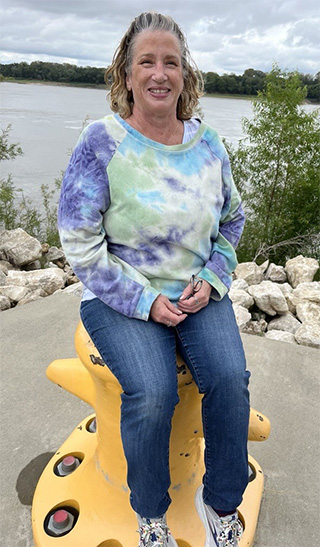
LeAnn received expert stroke care quickly after her colleagues recognized the signs of stroke and acted fast.
What causes a stroke?
A stroke is caused by blocked blood flow to the brain or by bleeding from a ruptured blood vessel in the brain. Understanding the cause of a stroke helps inform treatment and can reduce the risk of another stroke.
Underlying causes and contributors may include:
- High blood pressure, which damages blood vessels over time
- Buildup of fatty deposits (plaque) in arteries
- Blood clots related to heart rhythm problems such as atrial fibrillation (a-fib)
- Weakened or abnormal blood vessels
- Certain infections, inflammatory conditions, or blood disorders
What are the risk factors for stroke—and how can you prevent one?
Some stroke risk factors—such as age and family history—cannot be changed, but many others can be managed to reduce stroke risk.
Common risk factors include:
- High blood pressure
- High cholesterol
- Diabetes
- Heart disease, including a-fib
- Smoking
- Obesity and physical inactivity
- Poor diet
- Excessive alcohol use
- Prior stroke or TIA
Most strokes are preventable. Prevention may include lifestyle changes, medications to control blood pressure or cholesterol, and, in some cases, procedures to treat narrowed arteries or heart rhythm problems
What women should know about stroke
Due to unique hormonal, biological, and physiological factors, women often experience stroke differently than men. That matters when recognizing symptoms and receiving care. Women tend to have strokes later in life and are more likely than men to die from stroke.
Women also have unique risk factors, including:
- Pregnancy-related conditions such as preeclampsia
- Use of hormonal birth control combined with smoking
- Menopause-related changes
- Migraines with temporary sensory or visual disturbances (aura)
- Higher rates of a-fib at older ages
Because stroke symptoms can sometimes be subtle or mistaken for other conditions, women may hesitate to seek care, especially when symptoms feel mild or unclear. Knowing the warning signs can help you act quickly. If something feels off, don’t hesitate to seek medical attention.
Learn your stroke risk by taking our free stroke risk assessment.
Stroke diagnosis and treatment
What happens when you go to the hospital for a stroke?
When someone arrives at the Emergency Department with stroke symptoms, the care team moves quickly to confirm a diagnosis and begin treatment.
Evaluation typically includes a physical and neurological exam, brain imaging such as a computed tomography (CT) scan or MRI, and blood tests.
Providers work together to determine:
- When symptoms started
- Whether symptoms are caused by a stroke
- The type of stroke
- Which treatment(s) will be safest and most effective
BJC HealthCare Telestroke Network
The BJC HealthCare Stroke Network connects every BJC HealthCare hospital to WashU Medicine strok physician specialists at Barnes-Jewish Hospital 24/7 through a virtual care platform to identify and treat stroke.
Real-time, secure video and audio conferencing technology allows neurologists and radiologists to be remotely present with hospital physicians to help diagnose stroke patients so they can start timely treatment or be transported to a location better suited to provide stroke care.
The program provides:
- Access to advanced stroke care
- Higher rates of receiving potentially lifesaving therapies
- Improved outcomes in long-term stroke recovery
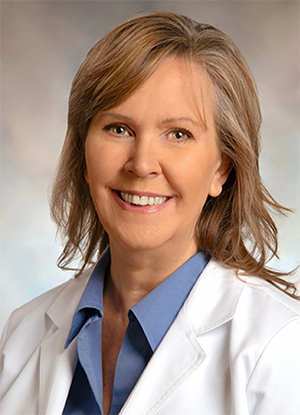
After a stroke sent Michelle to the Emergency Department, she received clot-busting medication rapidly thanks to the BJC HealthCare Stroke Network.
How is a stroke treated?
Stroke treatment depends on the type of stroke and may involve medication, procedures to remove blood clots, or care to control bleeding in the brain.
Stroke care teams administer treatments to dissolve or remove clots, control bleeding, and provide the best possible outcome.
- Ischemic stroke: Immediate treatment can help stop a stroke in progress, reduce brain injury, and reduce lasting disability. With ischemic strokes, this means quickly addressing the clot that is disrupting blood flow to the brain.
- Thrombolytics: are IV medicines known as clot-busting drugs used to reduce the damage caused by stroke. Common thrombolytics include alteplase (t-PA) and tenecteplase (TNK).
- Thrombectomy: is a procedure in which a special tool is used to physically remove a clot from the brain. It may be performed in more severe stroke cases.
- Hemorrhagic stroke: Treatment focuses on controlling bleeding, reducing pressure in the brain, and addressing the underlying cause. Medication is used to control high blood pressure and brain swelling. In some cases, surgery may be needed to address bleeding or remove abnormal blood vessels that contributed to the stroke. Sometimes these surgeries can be done with a minimally invasive approach using a small catheter inserted into a large artery in the arm or leg.
- Transient ischemic attack (TIA): If initial testing in the hospital or through outpatient observation indicates TIA, treatment will focus on preventing future strokes.
Stroke treatments are time-sensitive, meaning they are most effective when delivered quickly. It is crucial to call 911 immediately if you or a loved one experience signs of stroke. Ambulance personnel immediately assess your type of stroke and take you to the closest hospital with the treatment option you need.
Life after stroke
What are the effects of a stroke?
A stroke can affect movement, speech, thinking, vision, and emotions, depending on which part of the brain is injured.
Stroke can impact:
- Movement and strength, often on one side of the body
- Speech and language
- Swallowing
- Vision
- Memory, thinking, and problem-solving
- Emotions and behavior
Some effects may be temporary, while others can be long-lasting. Early treatment and rehabilitation play a key role in recovery
Can you recover from a stroke?
Many people can recover from a stroke with rehabilitation, though recovery looks different for each person and may take time.
Some people recover quickly, while others need ongoing rehabilitation. Care may include physical therapy, occupational therapy, speech therapy, and follow-up with neurology and primary care providers. With the right care and support, many people continue to improve for months or even years after a stroke.
Recovery often focuses on:
- Regaining strength and independence
- Preventing another stroke
- Managing long-term effects
- Supporting emotional and mental health for patients and caregivers
Complications caused by strokes are called deficits. Because of how the brain operates, combating deficits quickly through therapy, especially within the first six months after a stroke, can significantly improve physical setbacks. Stroke rehabilitation focuses on helping people regain abilities affected by a stroke and adapt to deficits that may be long‑term. Rehabilitation typically begins as soon as a person is medically stable and may continue for weeks, months, or longer, depending on individual needs.
For stroke survivors, rehabilitation should not be an afterthought. It is an active phase of care that can be helped by a stroke rehabilitation team. Stroke rehabilitation specialists support physical, cognitive, and emotional recovery. The team of therapists, nurses, dietitians, and mental health professionals collaborates with patients and caregivers to set goals, track progress, and adjust care as recovery continues. The goals of rehabilitation are to improve strength, mobility, communication, and daily functioning; support independence; and reduce the risk of future strokes. Many people see the fastest improvement in the first few months after a stroke, but progress can continue over time with consistent therapy and support.
From the IpsiHand, an innovative stroke-recovery device that helps patients recover significant arm and hand function by retraining their brains, to a groundbreaking use of vagus nerve stimulation paired with therapy that helps survivors decrease stroke-caused deficits they previously thought were permanent, BJC HealthCare and WashU Medicine remain committed to delivering leading-edge recovery and rehabilitation methods.
Emotional, mental, and spiritual support after a stroke
A stroke can affect more than your physical health. Emotional and mental changes—such as frustration, sadness, mood swings, or changes in personality—are common and may be related to both the stroke itself and the challenges of recovery. These changes are real and deserve attention, just like physical symptoms.
Support may include:
- Counseling
- Support groups
- Stress‑management strategies
- Open communication with care providers and loved ones
- Spiritual support, whether through personal beliefs, faith communities, or conversations with trained spiritual care providers
Find a free stroke support group and more stroke support resources.
Relevant News
Article
Are Bars and Powders Better Sources of Protein Than Whole Foods?
Article
What Healthy Older Adults Talk About at Their Annual Physical
Article
Healthy 90-Year-Olds Don’t Have a Secret. They Have These Habits.
Article
Age-Related Hearing Loss: 6 Signs You Shouldn't Ignore
Article
What Blue Zones Can Teach Us About Healthy Eating and Longevity
Article