Marathon Running Is Breaking Records. Here’s How to Start Safely.

If your social media feed shows you an uptick in friends posting photos from marathon finish lines, you’re not alone.
According to the Sports & Fitness Industry Association (SFIA), in 2024 about 50 million Americans took part in running and jogging, the highest number since 2020.
The trend is reflected in marathon registration and participation as well. In 2025, the New York City Marathon set a record with 59,226 finishers.
Whether completing a marathon is a lifelong goal or you’re just looking to get moving by beginning to jog, Zachary Burnett, MD, a BJC Medical Group orthopedic surgeon at Christian Hospital, says success starts long before race day.
Smart training, the right blend of perseverance and patience, and listening to your body can help you cross the finish line.
Start with a strong foundation
Before you think about running 26.2 miles, build a base. For most people, running is safe and hasn't been shown to increase the risk of arthritis, but it’s best to address any old injuries that might cause pain with your primary care physician or an orthopedic specialist.
Once you're ready to get moving, start with short runs and slowly increase your distance as your conditioning improves.
“Many injuries happen when people try to do too much, too soon,” Dr. Burnett says. “Your body needs time to adapt to the physical demand and impact of running. Just as the best marathon runners find a steady pace throughout the race, the preparation for a marathon shouldn’t be a sprint.”
- Increasing your weekly mileage by no more than 10% per week builds your endurance while giving your body time to adjust.
- Training for a 5K, which is about 3 miles, is a good first step. Many races are beginner-friendly and feature a welcoming, supportive environment.
- Incorporating strength training can help support your joints. Focus on your hips, legs, and core to improve stability. Single-leg squats, hip thrusts, and glute bridges are three strength training exercises that are popular with runners.
Make rest part of your plan
Training isn’t just about running. Rest and recovery matter, too.
“Rest days allow your body to repair and come back stronger,” Dr. Burnett says. “Skipping recovery increases your risk of injuries that can shut you down and erode your progress and conditioning.”
- Plan at least one or two rest days each week.
- Add low-impact activities like walking or cycling between running days.
- Get proper sleep. It supports recovery and helps prevent fatigue. Adults should get at least seven hours of sleep per night, aiming for more if training for a demanding athletic activity, like long-distance running.
Choose the right gear
The right gear makes running more comfortable and helps prevent injuries.
- Visit a running store to find shoes that best fit both your feet and stride. Replace shoes when they feel worn or lose support.
- Wear lightweight, moisture-wicking clothes. Avoid cotton, which holds sweat and can cause chafing.
Other helpful items include:
- Running-specific socks to reduce blisters
- Weather-appropriate layers or a hat
- A simple watch or app to track distance and time
- Chafing creams and anti-friction balms
“The right running gear doesn’t have to be expensive,” Dr. Burnett says. “It just needs to fit well and support your movement. Customizing your gear to your individual needs, like wearing a bandage on a spot on your heel where you tend to get blisters, can help you be proactive about preventing problems that impact progress.”
Stay hydrated
Hydration plays an important role in safe training.
“Even mild dehydration can affect how you feel and perform,” Dr. Burnett says. “Start your run well-hydrated and drink fluids regularly, including while you are on the move. Knowing the warning signs of dehydration can help you stop the problem before it gets worse.”
- Drink plenty of water. Water is usually enough for shorter runs. Adults should try to drink 17–20 ounces of water before running, about 6 ounces every 20 minutes during the run, and another 16 ounces after the run ends. For longer runs—especially ones that last longer than an hour—you may need sports drinks designed to replace electrolytes lost through sweat. Look for low- or no-sugar options.
- Watch closely for signs of dehydration, such as thirst, fatigue, or dark-colored urine. Don’t ignore these symptoms if you spot them.
- Be mindful of temperatures outside and running in direct sunlight for an extended period. On hot days, run indoors or during the early mornings or cooler evenings. Protect your skin using sunscreen, a hat, and sunglasses.
Pay attention to your body
Some soreness is normal when you start running. Sharp or ongoing pain is not.
“Don’t ignore pain that changes how you run, especially if it doesn’t improve with rest,” Dr. Burnett says. “If running is causing you to wince, limp, or feel intense pain for hours after you stop, there’s likely a problem.”
- Common issues include shin splints and knee pain. If something doesn’t feel right, take a break.
- Treating general soreness with compression, ice, and heating pads can help.
- For problems that aren’t resolved with rest, it’s time to consult a medical professional.
Set small goals first
Look for a local community 5K or walk/run event. These races often welcome all paces and experience levels.
“A shorter race helps build confidence and routine,” Dr. Burnett says. “It’s a strong starting point before a newcomer starts to embrace longer distances.”
Upcoming events BJC HealthCare is proud to help sponsor include:
- Belleville Main Street Marathon and Half Marathon | Sept. 26
- CITY Sprint 5K | Sept. 27
- Mo’ Cowbell Maraton, Half Marathon, 10K, and 5K | Nov. 8
Take the first step
You don’t have to run a marathon to see benefits. Even short, regular runs can improve heart health, boost your mood, and increase energy.
Start slow. Stay consistent. Listen to your body. With time, you may find yourself smiling for your marathon finish-line photo.
If you need support, talk to your primary care provider or contact a sports medicine specialist.
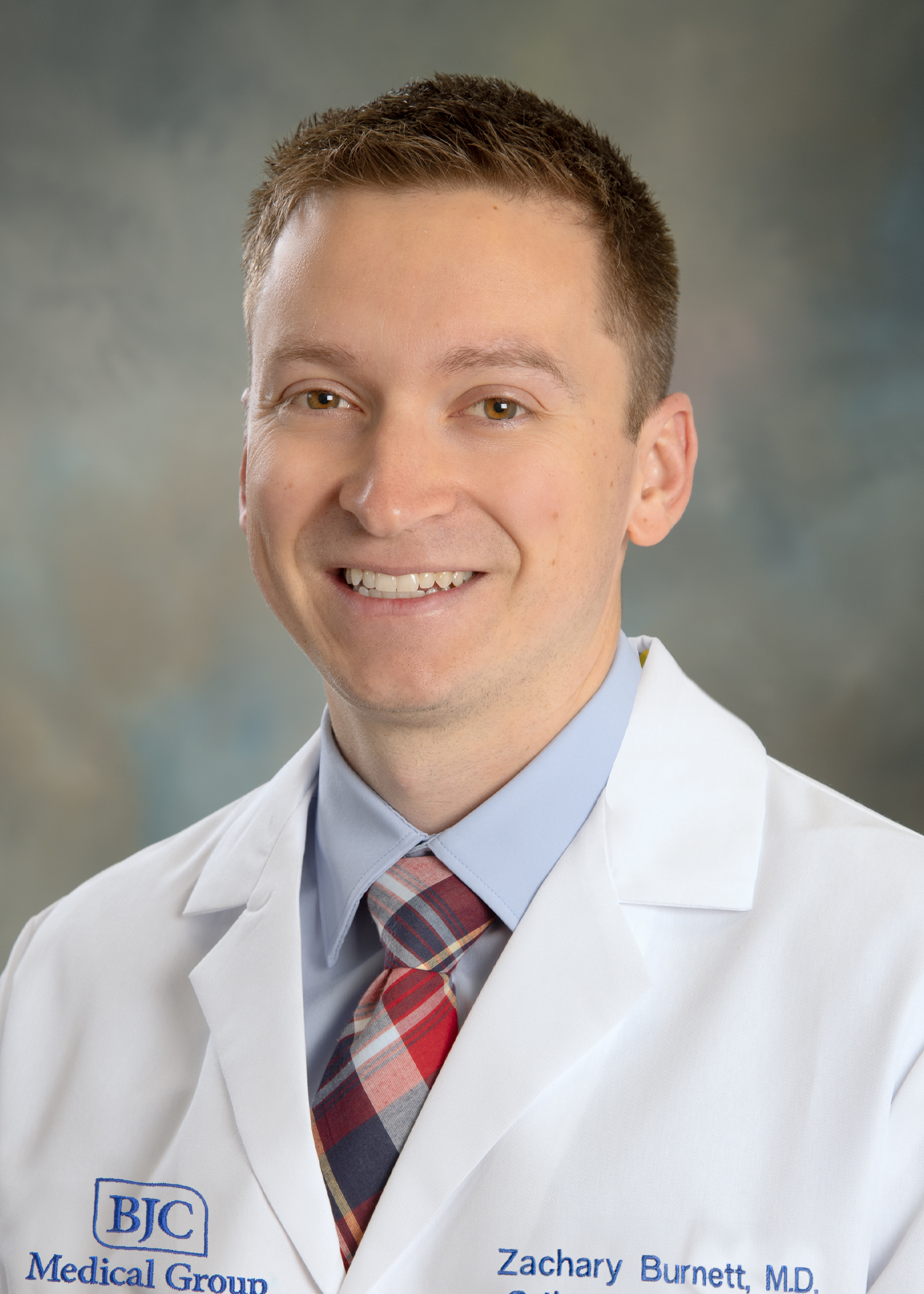 About Zachary Burnett, MD
Zachary Burnett, MD, is an orthopedic surgeon and sports medicine physician who sees patients 13 years and older. He specializes in the treatment of shoulder, elbow, hip, and knee conditions. Dr. Burnett provides care for fractures and sports and athletic injuries, including shoulder instability, rotator cuff tears, cartilage injuries, meniscus tears, and knee ligament and tendon injuries. He also provides comprehensive care for arthritis, including non-operative management and operative treatment, which may involve shoulder, hip, and knee replacement.
Relevant News
News
BJC HealthCare and WashU Medicine to Open New Center for Advanced Medicine in Sunset Hills
Article
Are Bars and Powders Better Sources of Protein Than Whole Foods?
Article
What Healthy Older Adults Talk About at Their Annual Physical
Article
Healthy 90-Year-Olds Don’t Have a Secret. They Have These Habits.
Article
Age-Related Hearing Loss: 6 Signs You Shouldn't Ignore
Article