Stretching vs. Strengthening: What Your Body Really Needs

Many people assume stiffness automatically means they need to stretch more. But that’s not always the case. Sometimes muscles feel “tight” because they’re actually weak, fatigued, or compensating for instability in other parts of the body.
“People often mistake weakness for tightness,” says Katherine Caldwell, MD, a WashU Medicine physical medicine and rehabilitation physician. “When muscles aren’t strong enough to support proper movement, the body creates tension as a protective response.”
The tension can show up in common trouble spots like the neck, shoulders, hips, and lower back. Spending long hours sitting, repetitive movement patterns, poor posture, and inactivity can all contribute to muscles that feel stiff and uncomfortable, even when the real issue is a lack of strength and stability.
Benefits of stretching
Stretching plays an important role in overall health and mobility. Regular stretching can improve flexibility, increase range of motion, reduce muscle tension, and help the body move more comfortably during daily activities and exercise.
Not all stretching is the same, though. Before exercise or physical activity, movement-based stretches—such as arm circles, leg swings, or walking lunges—can help warm up muscles and prepare the body to move. After a workout, slower stretches that are held for several seconds, like reaching for your toes or stretching the hips and shoulders, may help reduce tightness and improve flexibility over time. Stretching can also be beneficial for people who spend much of the day sitting or notice stiffness after long periods of inactivity.
“Stretching helps restore mobility and improve how the body moves,” Dr. Caldwell says. “It can relieve tension and improve circulation, especially in areas that become restricted from repetitive positions or lack of movement.”
Why strengthening matters
Strength training provides the support the body needs to move efficiently and safely. Strong muscles stabilize joints, improve posture, and reduce stress placed on surrounding tissues. In many cases, strengthening weak muscle groups can actually reduce the sensation of tightness.
For example, weak core and glute muscles may contribute to low back discomfort, while weak upper back muscles can lead to tension in the neck and shoulders. Strengthening these areas often improves alignment and decreases strain throughout the body.
“Strength creates stability,” Dr. Caldwell says. “When the body is properly supported, muscles don’t have to overcompensate, and that can reduce chronic tension and discomfort.”
Strength training also becomes increasingly important with age, helping preserve muscle mass, support balance, and reduce injury risk.
How to know what your body needs
The challenge for many people is figuring out whether they need more stretching, more strengthening, or a combination of both. Signs that muscles may need strengthening include fatigue, shakiness during activity, recurring aches, or feeling unstable during movement. Limited mobility, stiffness, or difficulty moving through a full range of motion may signal the need for stretching and mobility work.
Most benefit from incorporating both into their routine. A balanced approach that combines flexibility, movement, and strength training can improve posture, movement quality, and long-term joint health. If you’re unsure where to start, begin with 5–10 minutes a day: take a short walk, do a few gentle stretches, and add simple strength exercises such as squats or wall pushups. Small, consistent steps can make a difference over time.
“The goal isn’t choosing stretching over strengthening,” Dr. Caldwell says. “It’s understanding what your body needs to function and feel its best.”
Whether you’re dealing with everyday aches, recovering from injury, or simply trying to stay active and healthy, listening to your body—and training it with both flexibility and strength in mind—may be the key to moving better for the long run.
If you are working on strength training and stretching but still notice you have pain or limited mobility, you might benefit from a visit to your doctor. They can partner with you to find out what's going on and recommend treatment if you need it.
Don’t let pain hold you back from living life to the fullest. Learn more about Physical Medicine and Rehabilitation services offered through BJC HealthCare and WashU Medicine.
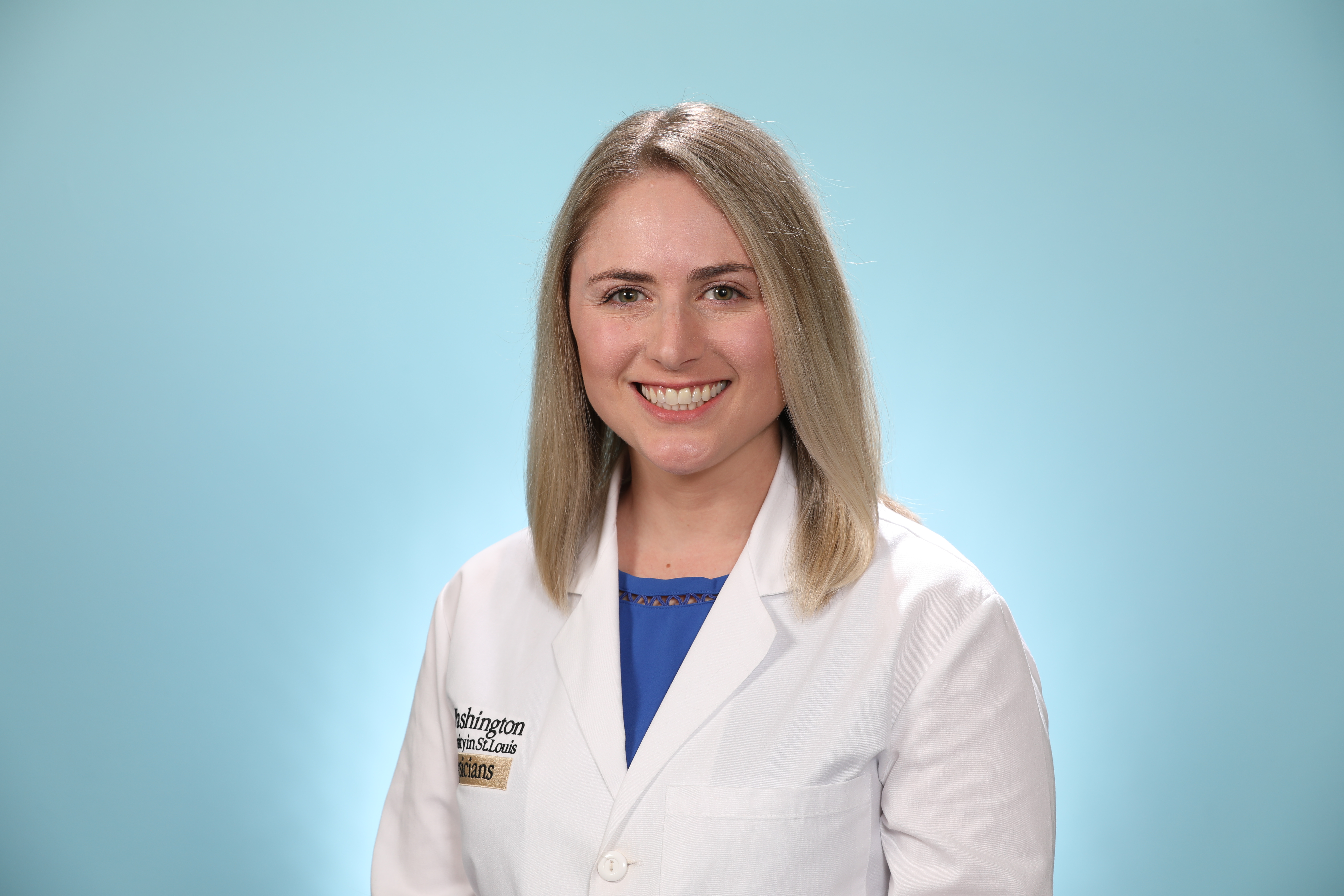
About Katherine Caldwell, MD
Katherine Caldwell, MD, sees patients for non-operative musculoskeletal and sports medicine conditions including tendon and ligament injuries, osteoarthritis, fractures, radiculopathy, pregnancy-related musculoskeletal pain, and swimming and diving injuries.
Relevant News
News
BJC HealthCare and WashU Medicine to Open New Center for Advanced Medicine in Sunset Hills
Article
Are Bars and Powders Better Sources of Protein Than Whole Foods?
Article
What Healthy Older Adults Talk About at Their Annual Physical
Article
Healthy 90-Year-Olds Don’t Have a Secret. They Have These Habits.
Article
Age-Related Hearing Loss: 6 Signs You Shouldn't Ignore
Article