How to Take the Sting Out of Tick and Mosquito Bites
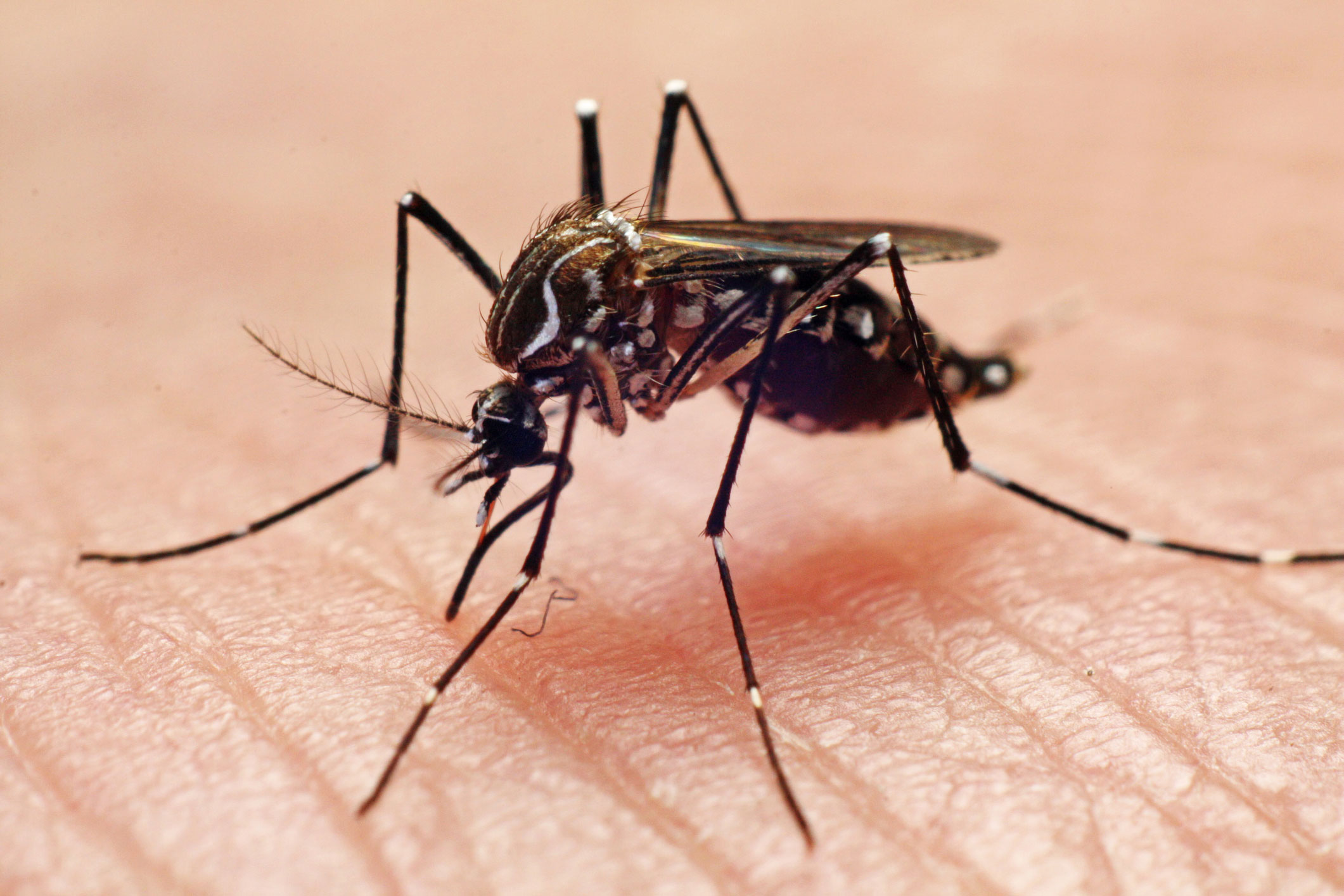
If you enjoy spending time outdoors, you have probably encountered tick and mosquito bites at some point. Ticks and mosquitoes are active in spring, summer, and fall in Missouri and Illinois, so you will deal with them for months on end. Their bites can be annoying, itchy, and sometimes dangerous.
Learn more about how to identify, treat, and prevent tick and mosquito bites, and what to do if you develop an infection or one of the known mosquito and tick-borne diseases.
How to identify tick and mosquito bites
A Virtual Care provider can help you with bite identification and treatment options.
Tick and mosquito bites can look similar, but there are some differences that can help you tell them apart. Here are some clues to look for:
Tick bites are usually painless and may be hard to notice. They may cause a small red bump or a larger red rash, especially if you are allergic to tick saliva.
Some ticks transmit diseases, such as Lyme disease or Rocky Mountain spotted fever. According to the Centers for Disease Control and Prevention (CDC), symptoms may include a bull's-eye rash, fever, headache, and joint pain. If you find a tick attached to your skin, remove it carefully with tweezers and save it in a sealed container for identification.
Mosquito bites are usually more noticeable, with immediate red, swollen, and itchy bumps on the skin. They may also cause a mild allergic reaction called skeeter syndrome, which can result in larger bumps, blisters, hives, or fever.
Mosquito-borne diseases include West Nile virus and Zika virus, which can cause flu-like symptoms, neurological problems or birth defects. If you have been bitten by a mosquito in an area where these diseases are common, watch for any signs of illness and seek medical attention if needed.
How to treat tick and mosquito bites
Most tick and mosquito bites can be treated at home with simple remedies to ease symptoms. Here are some tips to follow:
- Wash the bite area with soap and water to prevent infection.
- Apply a cold compress or an ice cube to reduce swelling and itching.
- Apply a lotion, cream, or paste that contains calamine, antihistamine, or corticosteroid to soothe the skin and reduce your urge to scratch the bite.
- Take an oral antihistamine, such as cetirizine (Zyrtec®) or loratadine (Claritin®), to relieve itching and inflammation.
- Avoid wearing tight clothing or jewelry that may irritate the bite area.
If you develop an infection or a reaction from a tick or mosquito bite, you may need medical treatment. In mild cases, you can schedule a primary care appointment, a BJC Virtual Care on-demand visit, or visit a BJC Medical Group Convenient Care.
What are the signs of an infected bite?
Your primary care doctor or nearest Convenient Care clinic can help you with mosquito and tick bites that are annoying but not life-threatening. However, if you experience symptoms of serious infection, call 911 or go to an Emergency Department.
Some signs of serious infection include:
- Redness, warmth, pus, or swelling around the bite area
- Fever, chills, headache, or body aches
- Lymph node enlargement or tenderness
- Rash or blisters that spread beyond the bite area
Signs of a serious reaction may include:
- Difficulty breathing or swallowing
- Chest pain or palpitations
- Dizziness or fainting
- Nausea or vomiting
- Confusion or seizures
If you experience any of these symptoms, seek immediate treatment. You may need antibiotics, antivirals, antiparasitics, or other medications to treat an infection or disease. You may also need epinephrine, steroids, or other drugs to treat an allergic reaction.
How to prevent tick and mosquito bites
The best way to avoid the complications of tick and mosquito bites and the diseases mosquitoes and ticks carry is to prevent bites in the first place. Here are some protective measures you can take:
- Wear long-sleeve shirts, pants, socks and shoes, when you go outdoors, especially in wooded or grassy areas where ticks and mosquitoes are common.
- Use insect repellents that contain DEET, picaridin, IR3535, or oil of lemon eucalyptus on your skin and clothing. Follow the instructions on the label and reapply as needed.
- Avoid peak hours of mosquito activity, such as dawn and dusk, when they are most active.
- Remove any standing water around your home where mosquitoes can breed, such as buckets, birdbaths, flowerpots, or tires.
- Inspect your body and attire for ticks following outdoor activities. Use a mirror or ask someone to help you inspect hard-to-reach areas. If you find a tick, remove it with tweezers as soon as possible, save it in a sealed container, and wash the bite area.
Mosquito and tick bite treatment now
Tick and mosquito bites are common in Missouri and Illinois and can cause discomfort and sometimes serious health problems. If you develop a mild reaction or signs of infection from a tick or mosquito bite, BJC can help today with in-person care or a virtual care on-demand visit.
Visit your nearest BJC Convenient Care clinic for in-person treatment. Schedule an appointment online.
Schedule a virtual visit with a BJC provider.
ABOUT PRIMARY CARE
A BJC primary care provider is your partner in health. Your primary care team is here to handle routine health needs and treat illnesses, injuries, and chronic conditions. A primary care provider can help you reach your wellness goals. Learn more.
Need primary care?
Relevant News
News
BJC HealthCare and WashU Medicine to Open New Center for Advanced Medicine in Sunset Hills
Article
Are Bars and Powders Better Sources of Protein Than Whole Foods?
Article
What Healthy Older Adults Talk About at Their Annual Physical
Article
Healthy 90-Year-Olds Don’t Have a Secret. They Have These Habits.
Article
Age-Related Hearing Loss: 6 Signs You Shouldn't Ignore
Article