These 4 Health Metrics Help Predict How Well You'll Age
Small changes can make big improvements in each one
4 minutes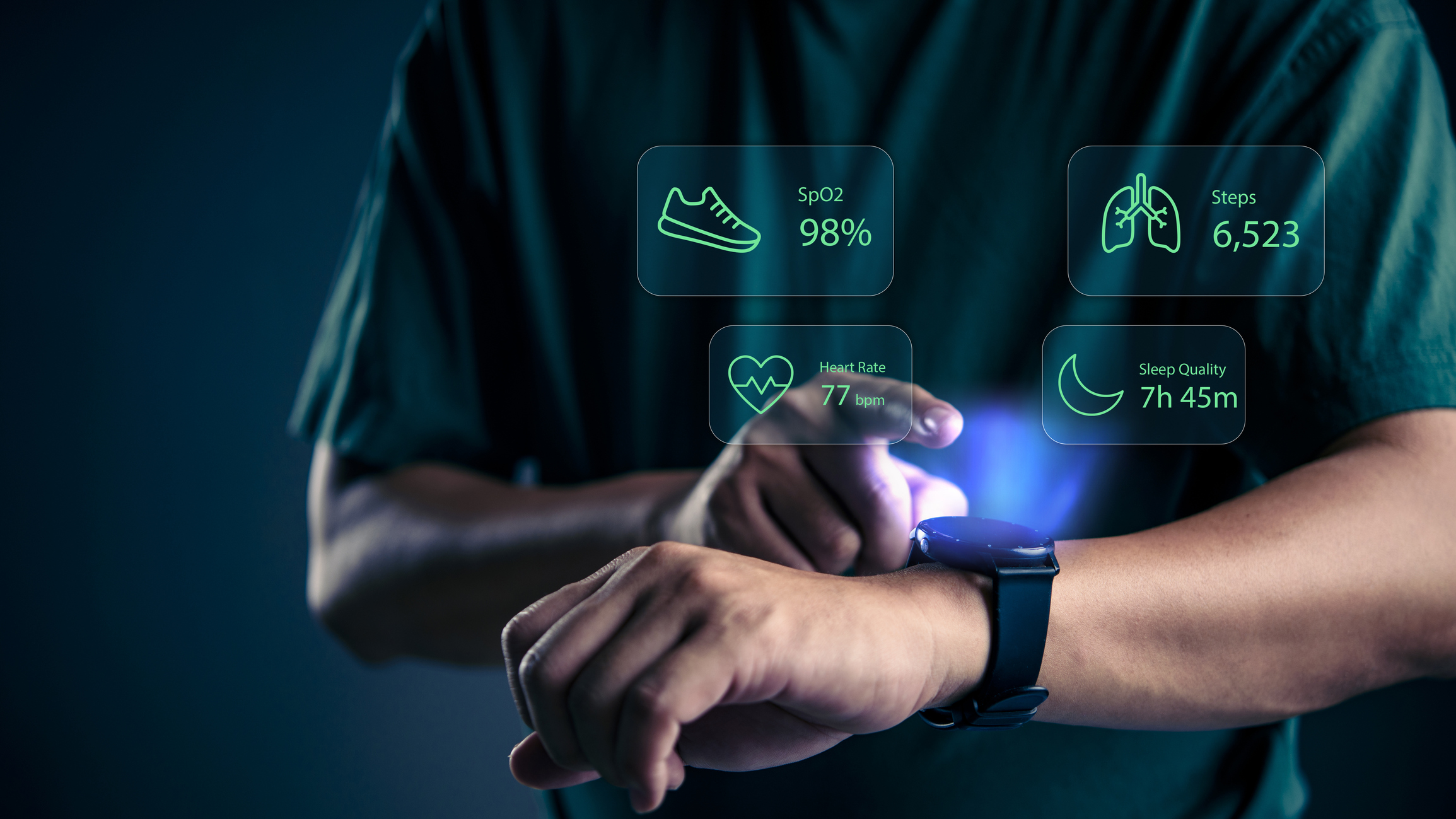
While the most familiar metrics—blood pressure, cholesterol, and blood sugar—still matter when it comes to managing your health and living a long life, there are signs that how we evaluate overall wellness continues to evolve.
In 2022, The American Heart Association added sleep to its "Life's Essential 8" checklist for lifelong heart and brain health. You may also notice metrics pop up on social media or your wearable fitness tracker that you've never considered before. Below, find more on four of the most discussed metrics and what they mean.
VO2 max: Can you keep doing the things you enjoy?
VO2 max, sometimes called VO2 peak, measures aerobic fitness, or how well your heart, lungs, and muscles work together to deliver and use oxygen while you're active. Research in the Journal of the American Heart Association found that lower aerobic fitness is associated with a greater risk of future heart problems and even early death.
Aerobic fitness naturally declines with age, dropping about 7% per decade from your 30s into your late 80s. That may sound discouraging, but regular activity helps slow decline, support mobility, and decrease the risk of falls.
- Aim for at least 150 minutes of moderate activity each week, like brisk walking, dancing, or water aerobics.
Notice everyday wins, such as climbing stairs without stopping to catch your breath.
How it's measured: Many smartwatches and fitness trackers now estimate VO2 max, which is measured in milliliters of oxygen per kilogram of body weight per minute. The most precise reading comes from a lab test that measures your oxygen use during exercise.
Muscle mass: Can you lift, carry, climb, and recover?
Starting around age 30, your body naturally loses muscle mass, about 3% to 5% every 10 years, according to research from the National Institutes of Health (NIH). Over time, that gradual loss of muscle, strength, and function can make it harder to stand up from a chair or carry groceries. Too much muscle loss can lead to a condition called sarcopenia. Adults who have it, according to the NIH, face an increased risk of falls, broken bones, and hospitalization.
When NIH researchers studied adults 65 and older, the total amount of muscle wasn't what best predicted falls, fractures, and how long people lived. Instead, simple measures of function, including grip strength and walking speed, were stronger indicators.
Grip strength is measured by how hard you can squeeze a handheld device. Researchers often use it because it's a quick, safe way to assess overall strength and function. Together with walking speed, it can provide insight into how well someone may maintain mobility, independence, and quality of life as they age.
"We always listen to our clients' goals—typically they want to look better and move better—but it’s important to point out that having a great base fitness level is paramount," says Aaron Gutjahr, exercise physiologist and fitness center manager with Move by BJC, BJC HealthCare's fitness and wellness center that helps people improve strength, fitness, and overall well-being.
"Let’s build the foundation first, and then we can start picking apart weaknesses," Gutjahr says. "Age is rarely an indicator of fitness—so we train our clients according to their capabilities."
- Add resistance training two or more days a week using weights, bands, or your own body weight.
- Test your function, not just your size, by noticing how easily you rise from a chair or how briskly you walk.
How it's measured: Rather than muscle mass alone, clinicians increasingly rely on simple function checks like grip strength and walking speed.
Bone density: Can you stay resilient as you age?
Aging brings increased risk of osteoporosis, or weak, brittle bones. Strong bones help you stay steady and recover more easily if you fall. Weight-bearing exercise, strength training, and balance work all help keep bones dense and lower the chance of fractures.
- Choose weight-bearing activities like jogging, tennis, or a brisk hike.
- Add balance practice, such as tai chi or heel-to-toe walking, to help prevent falls.
How it's measured: A quick, painless bone density scan, often called a DEXA scan, measures the strength of bones in your hip and spine.
Sleep: Can your body repair and recover?
Sleep is when your body and brain do some of their most important work. Adults need about seven to nine hours a night, according to the National Institute on Aging. Deep sleep helps you wake up refreshed, supports your memory, and helps you stay steady during the day.
- Keep a consistent sleep and wake schedule, even on weekends.
- Talk with your doctor if you regularly wake up tired or struggle to fall or stay asleep. Sleep care support is available.
How it's measured: Wearable devices can estimate your hours and sleep stages. If there's a concern, talk to your doctor about a sleep study.
The takeaway
These four metrics tell a powerful story. Your daily habits shape how you age. Aerobic activity, strength training, weight-bearing movement, and good sleep support all four, and they add up to help you keep doing what you love for years to come.
"Having been in this field for more than 25 years, I'm lucky to have worked with individuals from every age and demographic," Gutjahr says. "It’s never too late to start, and there’s no such thing as too lofty of a goal. Prioritizing small changes over time to each of the four metrics above makes progress possible. Add in a small adjustment to nutrition and it can really boost the positive effects of exercise and quality sleep."
Read more about the benefits of regular moderate-intensity exercise.
Relevant News
Article
Are Bars and Powders Better Sources of Protein Than Whole Foods?
Article
What Healthy Older Adults Talk About at Their Annual Physical
Article
Healthy 90-Year-Olds Don’t Have a Secret. They Have These Habits.
Article
Age-Related Hearing Loss: 6 Signs You Shouldn't Ignore
Article
What Blue Zones Can Teach Us About Healthy Eating and Longevity
Article