Healthy 90-Year-Olds Don’t Have a Secret. They Have These Habits—and so Can You.

When you talk to healthy older adults about their advice for living a long life, they rarely follow a secret diet or exercise program. More often, they've built simple, healthy habits that happen automatically—and that they've been doing for decades.
That’s certainly the case for 98-year-old general surgeon George Oliver, MD, who retired from Parkland Health Center—part of BJC HealthCare—in 2001. Below, find Dr. Oliver’s advice for staying active, engaged, and purposeful, and how you can work some of his healthy habits into your daily routine, no matter your age.
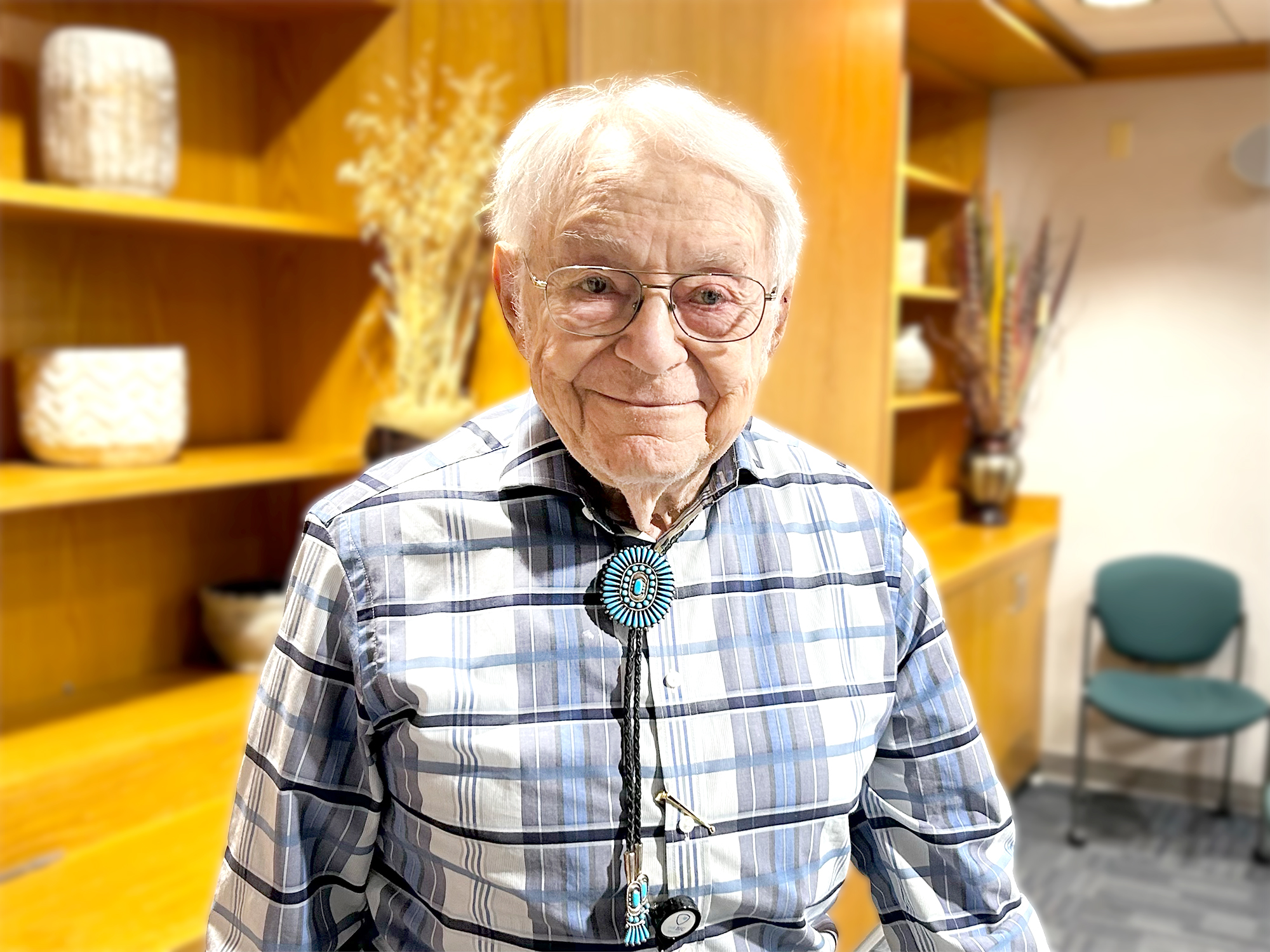
Healthy habits start with healthy choices
In his 98 years, Dr. Oliver has witnessed decades of change in medicine, helped establish what became Parkland Health Center, cared for generations of patients, and remained involved in health care long after his official retirement.
His no. 1 habit that allowed him to accomplish all of these things?
"The most important one, by far, is that I do not—and never have—smoked habitually," he says.
While he acknowledges the role genetics play in longevity, Dr. Oliver believes many of the factors that contribute to a long life are choices. Some of them include:
- Avoid smoking and drug use
- Avoid excess alcohol
- Get an adequate amount of sleep
- Stay active and engaged
- Have things to look forward to after retirement
Why purpose matters at every age
Throughout his career, Dr. Oliver built a reputation of service to his patients.
"I dedicated my life to looking after them," he says.
His involvement with health care did not end when he retired in December 2001.
In fact, retirement lasted only briefly.
He originally planned to work for a few more years at Farmington State Hospital, now Southeast Missouri Mental Health Center. Instead, he remained there for two decades.
For Dr. Oliver, continuing to care for patients wasn't just a way to stay busy. It gave him a continued sense of purpose.
Retirement can be a welcome break from work, but it's important to stay connected to activities that give your days meaning. At any age, having a sense of purpose helps you stay motivated, engaged, and socially connected. According to the Centers for Disease Control and Prevention, having a sense of purpose is part of positive emotional well-being, which can support both mental and physical health, making it an important part of aging well.
Purpose doesn't have to come from a job. It can come from volunteering, caring for family, pursuing hobbies, learning new skills, or supporting a cause you care about. Dr. Oliver’s connection to the hospital also continued through leadership and volunteer service. At Parkland Health Center, he served on its board of directors. When he completed his service to the board, he continued supporting the organization through the hospital foundation.
Never stop learning, never stop creating
Medicine has been only one chapter of Dr. Oliver's story.
Outside the operating room, he has filled his life with an impressive range of hobbies and interests, including hunting, photography, woodworking, furniture making, engraving, and construction projects.
Among his favorite pursuits is creating handcrafted pens from exotic hardwoods, including South American woods. Many of those pens have been donated to hospital foundation events and charity auctions.
"People were bidding on them before they ever saw them," he says.
His craftsmanship extends well beyond pen making. Over the years, he has built furniture, crafted custom gunstocks, and completed intricate engraving and gold inlay work, producing pieces that showcase remarkable attention to detail and artistry.
The hobbies have provided more than entertainment. They have given Dr. Oliver challenges and opportunities for lifelong learning. According to the National Institute on Aging, several studies suggest that learning a new skill could help improve memory and thinking, which are important to protect as we age.
The value of connection
Another lesson Dr. Oliver has learned from over nearly a century of living is the importance of relationships.
Research supporting the benefits of social connection comes as no surprise to him. Whether treating patients, helping build a hospital, supporting community projects, or sharing handcrafted creations, Dr. Oliver has remained connected to the people around him.
"People are happier when they are with someone," he says.
His own explanation is simple.
"I like people,” he says. “I dedicated my life to caring for them.”
At 98, he credits many factors for his longevity. Healthy habits matter. Staying active matters. Good fortune certainly helps.
But above all, he believes people need purpose.
For Dr. Oliver, a life of service, curiosity, and connection provided him with purpose for nearly a century and continues to do so today.
Take a page from Dr. Oliver’s book
Dr. Oliver's habits weren't complicated. He avoided smoking, stayed active, kept learning, nurtured relationships, and found purpose in serving others. While no two people age the same way, his story offers practical lessons that anyone can apply. Here's how those habits might look at different stages of life.
20s:
- Build a consistent exercise routine.
- Prioritize sleep (7–9 hours most nights).
- Learn to cook nutritious meals at home.
- Develop stress-management habits such as journaling or meditation.
- Invest in meaningful friendships and community connections.
- Find a primary care physician. If you don’t have one, find a primary care physician at BJC HealthCare.
30s:
- Schedule regular preventive health checkups with your primary care physician.
- Strength train at least a few times each week.
- Protect work-life balance to avoid burnout.
- Limit ultra-processed foods and excess sugar.
- Continue learning new skills and hobbies.
- Go for routine vaccinations.
40s:
- Discuss health screenings with your primary care provider.
- Focus on maintaining muscle mass and mobility.
- Monitor blood pressure, cholesterol, and other health markers.
- Make walking a daily habit.
- Reduce chronic stress through exercise and recovery.
- Stay socially engaged with family and friends.
- Find an OB-GYN at BJC HealthCare.
50s:
- Prioritize heart health through nutrition and activity.
- Increase flexibility and balance training.
- Stay mentally stimulated through reading, classes, or new challenges.
- Maintain a healthy weight through sustainable habits.
- Avoid smoking and limit excessive alcohol consumption.
- Complete colonoscopy testing.
60s:
- Move every day, even if it's just walking or light exercise.
- Focus on balance exercises to reduce fall risk.
- Stay connected through clubs, volunteering, or community groups.
- Eat protein-rich meals to support muscle health.
- Keep regular medical, vision, and dental appointments.
- Complete blood pressure testing.
70s and beyond:
- Stay physically active at a level appropriate for your abilities.
- Maintain a strong social network to combat loneliness.
- Keep your brain active with learning, puzzles, reading, or creative pursuits.
- Stay hydrated and eat nutrient-dense foods.
- Maintain a sense of purpose through mentoring, volunteering, faith, family, or personal projects.
- Complete cholesterol and glucose screening.
A primary care provider can help you stay on top of preventive screenings, manage your health, and support your healthy aging goals at every stage of life. Find a provider today.
Relevant News
Article
Are Bars and Powders Better Sources of Protein Than Whole Foods?
Article
What Healthy Older Adults Talk About at Their Annual Physical
Article
Age-Related Hearing Loss: 6 Signs You Shouldn't Ignore
Article
What Blue Zones Can Teach Us About Healthy Eating and Longevity
Article
These 4 Health Metrics Help Predict How Well You'll Age
Article