What Blue Zones Can Teach Us About Healthy Eating and Longevity
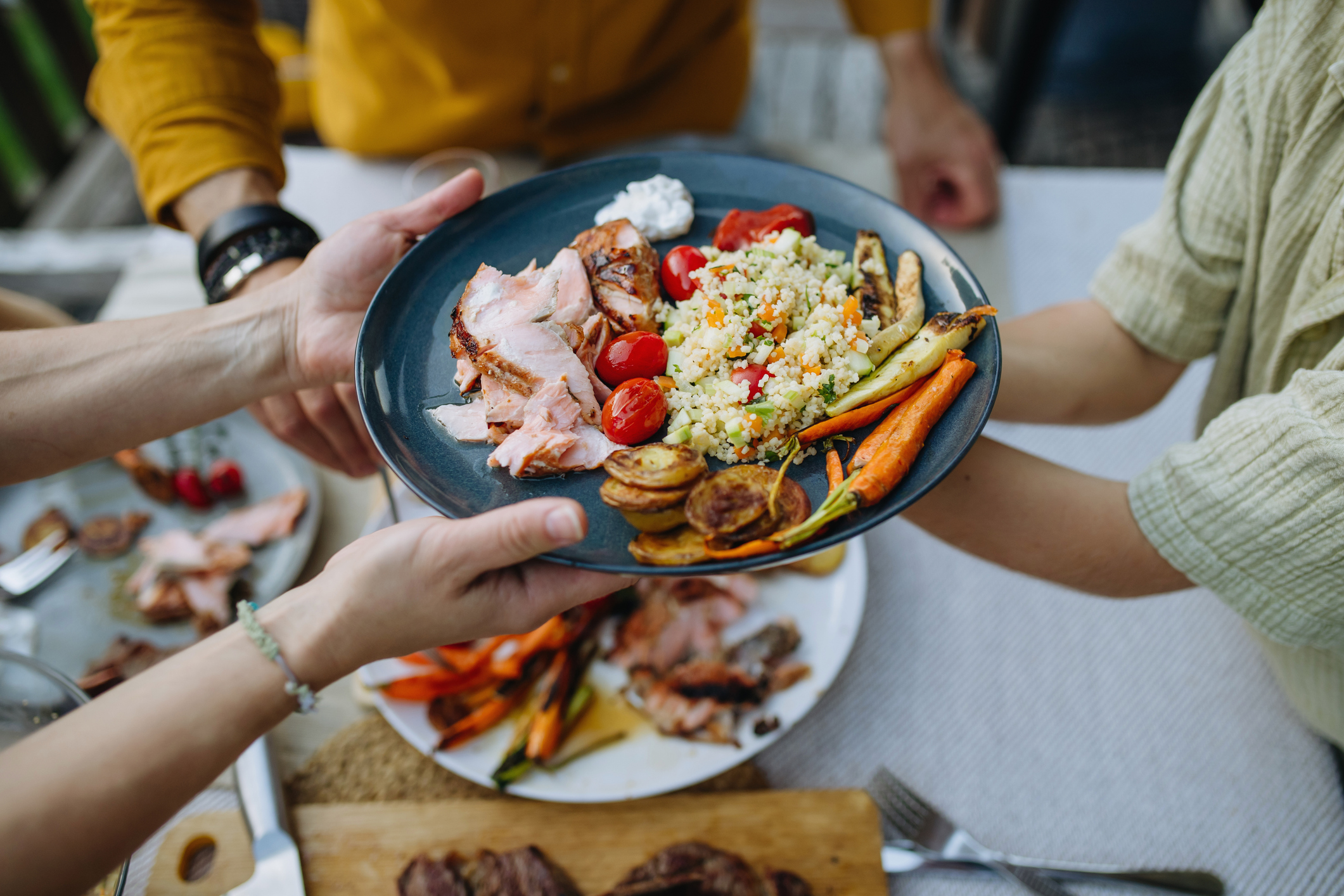
What if one of the secrets to living a longer, healthier life has been sitting on your dinner plate all along?
In Blue Zones, regions where people routinely live to age 100 and beyond, diets are made up of mostly whole, minimally processed foods, and people prepare many meals at home. Rather than following restrictive diet rules, they focus on balance and consistency. Meals are centered on plant-based foods, including beans, whole grains, vegetables, nuts and legumes, with meat and dairy consumed more sparingly. According to the Centers for Disease Control and Prevention, eating a nutrient-dense diet such as this one can help support a healthy weight, reduce cardiovascular disease risk, and ultimately contribute to a longer life.
The Blue Zone way of eating mirrors the Mediterranean diet, one of the most researched dietary approaches for supporting heart health and healthy aging. Unlike many diets that focus on restriction, calorie counting, or eliminating entire food groups, the Mediterranean diet emphasizes abundance, encouraging people to fill their plates with nourishing foods such as plants, whole grains, healthy fats, fish and seafood, and moderate amounts of dairy, while still leaving room for enjoyment and flexibility.
"One of the reasons the Mediterranean diet has stood the test of time is that it doesn't feel like a diet," says Gus Theodos, MD. "It's a sustainable way of eating that prioritizes foods associated with longevity, including vegetables, legumes, whole grains, nuts, and healthy fats like olive oil. When people enjoy the foods they're eating, they're much more likely to stick with those habits long term, which is where many of the heart health and longevity benefits come from."
Longevity nutrition isn't about quick fixes or perfect choices. It's about small, consistent habits repeated over years and decades. To support a heart-healthy, Mediterranean diet, try:
Filling half of your plate with greens. These types of foods boost your fiber, antioxidants, and nutrients that protect your heart.
Choosing healthy fats. Healthy fats can include olive oil, nuts, avocado, and fatty fish, like salmon and sardines.
Building meals that satisfy you and keep you energized. Depriving yourself or intentionally underfeeding yourself is a surefire way to get off track with heart-healthy eating. Instead, include protein, fiber, and healthy fats, all of which promote fullness and energy.
Looking for ways to put these principles into practice? These simple Mediterranean-inspired meals emphasize the foods commonly found in Blue Zone diets, including vegetables, legumes, whole grains, healthy fats, and lean proteins.
Breakfast: Mediterranean Avocado Toast with Eggs
Serves: 1
Ingredients
- 1 slice whole-grain bread, toasted
- ½ avocado
- 1 egg, cooked your favorite way
- Handful of cherry tomatoes, halved
- 1 tablespoon crumbled feta cheese
- Fresh basil or parsley
- Black pepper
Directions
- Mash the avocado onto the toast.
- Top with the cooked egg.
- Add tomatoes and feta.
- Sprinkle with herbs and black pepper.
Why it fits the Mediterranean diet: Rich in heart-healthy fats from avocado, whole grains, vegetables, and protein from eggs, with feta and fresh herbs adding classic Mediterranean flavors.
Lunch: Chickpea and Cucumber Salad
Serves: 2
Ingredients
- 1 (15-ounce) can chickpeas, drained and rinsed
- 1 cucumber, diced
- 1 cup cherry tomatoes, halved
- ¼ red onion, thinly sliced
- ¼ cup crumbled feta cheese
- 2 tablespoons extra-virgin olive oil
- Juice of ½ lemon
- Salt and pepper
- Fresh parsley
Directions
- Combine chickpeas, cucumber, tomatoes, onion, and feta in a bowl.
- Whisk together olive oil and lemon juice.
- Toss with the salad.
- Season with salt, pepper, and parsley.
Why it fits the Mediterranean diet: Rich in fiber, plant protein, vegetables, and heart-healthy olive oil.
Dinner: Lemon Herb Salmon with Roasted Vegetables
Serves: 2
Ingredients
- 2 salmon fillets
- 2 cups of broccoli florets
- 1 zucchini, sliced
- 2 tablespoons extra-virgin olive oil
- Juice of 1 lemon
- 1 teaspoon dried oregano
- Salt and pepper
Directions
- Preheat oven to 425°F.
- Place salmon, broccoli, and zucchini on a sheet pan.
- Drizzle everything with olive oil and lemon juice.
- Sprinkle with oregano, salt, and pepper.
- Roast for 15–20 minutes, until salmon flakes easily and vegetables are tender.
Why it fits the Mediterranean diet: Packed with omega-3-rich salmon, fiber-rich vegetables, and extra-virgin olive oil, while lemon and herbs provide Mediterranean-inspired flavor without heavy sauces.
If you’re concerned about your heart health, or if you simply want to be proactive and learn more about your risk level for heart issues, schedule an appointment with a BJC HealthCare cardiologist today.
Schedule a cardiology appointment
Relevant News
Article
Are Bars and Powders Better Sources of Protein Than Whole Foods?
Article
What Healthy Older Adults Talk About at Their Annual Physical
Article
Healthy 90-Year-Olds Don’t Have a Secret. They Have These Habits.
Article
Age-Related Hearing Loss: 6 Signs You Shouldn't Ignore
Article
These 4 Health Metrics Help Predict How Well You'll Age
Article