The Strength in Saying Yes
Life is constantly evolving, and accepting support can make the turbulent periods of life more manageable
6 minutes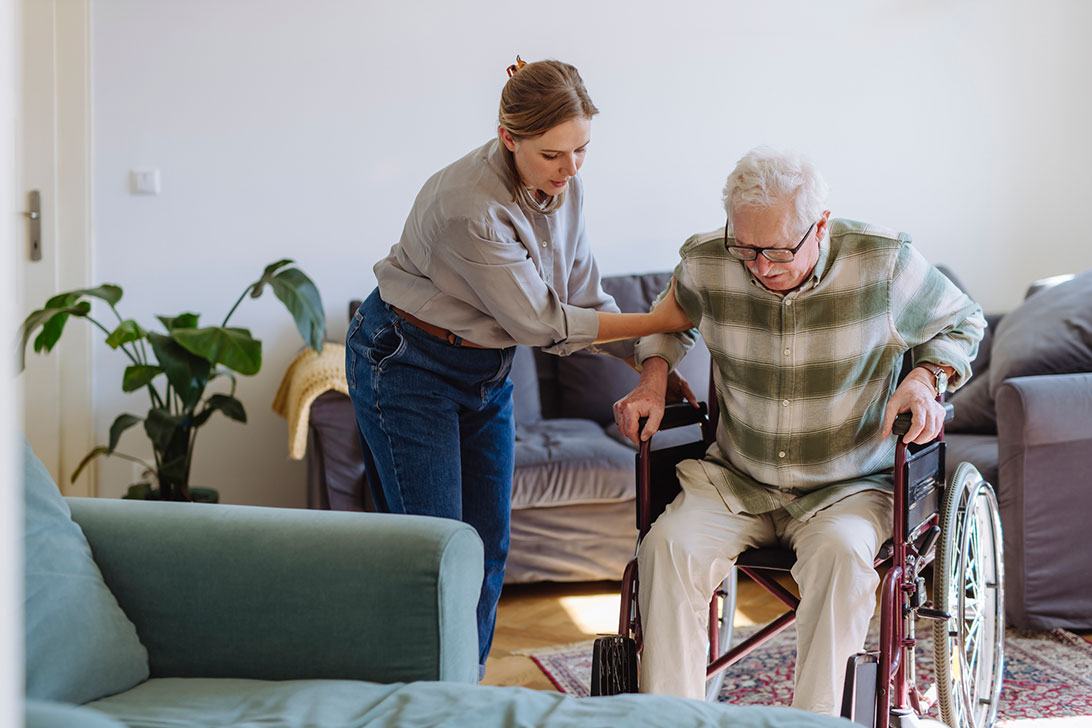
After a major life change such as a health event or welcoming a new baby, accepting help from others can reduce your physical and mental load. Many people are quick to offer help but reluctant to receive it, but accepting assistance can reduce stress, improve emotional health, and make caregiving easier for everyone involved. Here’s how accepting help can support your health, well-being, and independence.
Support is good for you—and the people who care about you
Support isn't just something we need during life's biggest challenges. It's an important part of healing, resilience, and overall well-being. Whether you're recovering from a stroke, heart attack, surgery, childbirth, or another significant health event, your body and mind need time to recover. During these seasons, everyday tasks that once felt routine, from preparing meals to managing household responsibilities, can require more energy than you have to give.
You may want formal support, like a community program or a group meeting, or informal support, like help with your laundry or assistance with yardwork. The American Stroke Association suggests relying on a mix of formal and informal support during recovery, saying that the mix of support “can help ease the burden for survivors and caregivers.”
Often, our family and loved ones are our primary caregivers, but having a wide-reaching net of support eases the responsibility for them and helps to avoid caregiver burnout. Connecting with others going through something similar via a support group is a great way to arm yourself with even more support and community.
Accepting support allows you to focus on what matters most: rest, recovery, and regaining your strength. It can also help reduce stress, prevent burnout, and create the space needed for healing. Just as importantly, leaning on others can remind you that you don't have to carry difficult moments alone.
"After a stroke, many survivors and families find themselves navigating a world that suddenly feels unfamiliar,” says Heather McCauley, BSN, RN, nurse coordinator at Alton Memorial Hospital. “The hospital stay is only one chapter of the recovery journey. When people allow others to support them, whether through practical help, encouragement, or simply being present, they're reminded they don't have to carry the weight of recovery by themselves. Healing happens best when people are surrounded by a community that walks alongside them."
Recovery is rarely a straight line, and it often takes longer than we expect. Giving yourself permission to receive help isn't a sign of weakness. It's an act of self-compassion and an investment in your long-term well-being. The meals dropped off at your door, the rides to appointments, the check-in texts, and the offers to help with daily tasks all add up, easing your load so you can direct your energy where it's needed most.
As the saying goes, the only way out is through. Every season of recovery has its own timeline, and healing can't be rushed. By accepting support along the way, you're giving yourself the best chance to move forward with greater strength, confidence, and peace of mind.
Accepting help from others deepens your relationships
Many people overlook one of the greatest benefits of opening up to receiving help, which is that vulnerability yields connection. When we open up, let others in, and ask for help, the byproduct is a deepening of relationships between people. "Over the years,” says McCauley, “I've learned that one of the hardest parts of recovery is allowing yourself to be vulnerable and letting others share in the journey with you.”
“Many of us build protective walls because we don't want others to see us struggling or view us as incapable,” explains McCauley. “While that instinct is understandable, those same walls can sometimes keep us from accessing the support, resources, and connections that help us heal. True strength isn't found in carrying every burden alone. Sometimes strength is found in allowing others to walk beside us, share the load, and remind us that we don't have to navigate the journey alone."
It can be difficult to ask for help, and sometimes it is just as hard to receive it. Whether it's a homemade meal, help with yardwork, or a ride to a doctor's appointment, accepting support allows others to express their care in meaningful ways. In return, relationships often grow stronger, and moments of kindness become cherished memories that remind you that you were never alone in your recovery.
There’s power in expanding your circle
Support doesn't always come from the people you'd expect. While friends and family are often our first sources of encouragement, help can also come from a trusted colleague, a former classmate, a neighbor, a mentor, or even a stranger who understands what you're going through.
Support groups connect people who understand what it’s like to go through a health event. And in the case of a stroke, being around others who experienced something similar can help ease depression and isolation associated with a stroke.
“A stroke changes much more than physical abilities,” McCauley explains. “It can impact confidence, relationships, identity, and even a person's sense of direction. After a life-changing event like a stroke, it's easy to feel isolated or as though you're navigating unfamiliar territory on your own. Recovery extends far beyond the hospital walls, which is why community matters. The stroke support group provides a place where survivors and caregivers can find understanding, share experiences, access resources, and connect with others who truly understand the journey. Our goal is to care for the whole person, mind, body, and spirit, while helping survivors and families build the connections, confidence, and support they need to move forward.”
Staying open to support from unexpected places can introduce new perspectives, resources, and relationships that strengthen your sense of community. Every time you allow someone to step in, you widen your network of support and create opportunities for meaningful connection. The people who can help you may be closer, and more willing, than you realize. Keep an open mind, embrace the kindness that's offered, and let your circle grow.
Saying “yes” gives others the gift of being able to help
Many people feel good when they can support someone they care about. This positive emotional response, often called the “helper's high,” is associated with reduced stress and increased feelings of connection. Accepting help not only lightens your load but also allows others to experience the benefits of giving.
“Joining a support group is about more than finding information or resources,” McCauley says. “It's about becoming part of a community. In many ways, it means embracing the strength of a village that understands the challenges of recovery and celebrates every step forward. By showing up and sharing our experiences, we also give others the opportunity to offer encouragement, understanding, and hope. Healing often happens through relationships and shared experiences. Being vulnerable doesn't diminish our independence. It helps us build connections, confidence, and support that allow us to move forward. Sometimes the greatest gift we can receive is finding people who understand what we're going through and are willing to walk the path alongside us.”
Learn more about Alton Memorial's stroke support group.