We treat your health like it’s the most important thing in the world.
Find everyday care and the most advanced treatments at nationally ranked and community hospitals.
Leaders in care who always put your health first.
Find everyday care and the most advanced treatments at nationally ranked and community hospitals.
Live your healthiest life with unparalleled medical excellence and unmatched personalized care.
Find everyday care and the most advanced treatments at nationally ranked and community hospitals.
Personalized care to live your healthiest life.
With more award-winning specialties than any other provider in the region, BJC has your whole health covered.
All the care you need. When and where you need it.
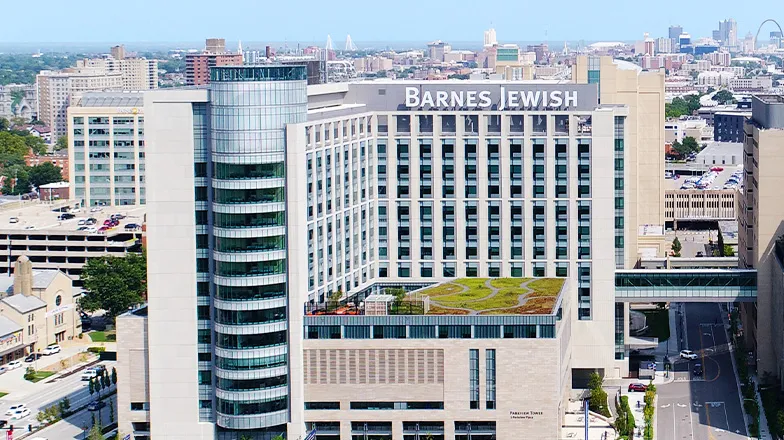 Barnes-Jewish Hospital
 Among the Nation’s Best, #1 in Missouri, and #1 in St. Louis
 Barnes-Jewish Hospital
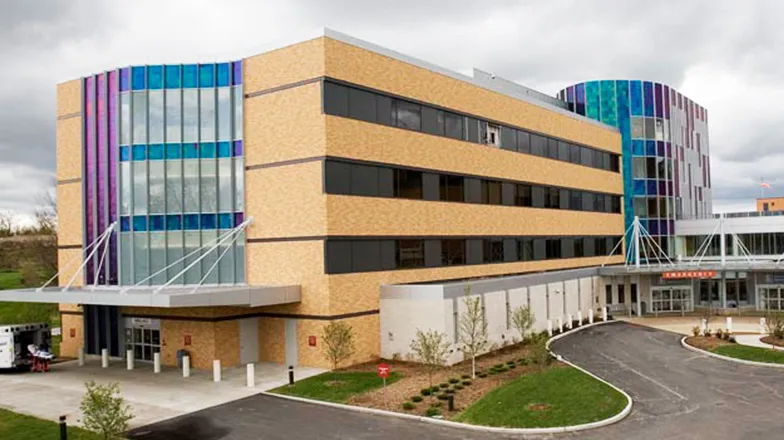 Missouri Baptist Medical Center
 #2 in Missouri and #2 in St. Louis
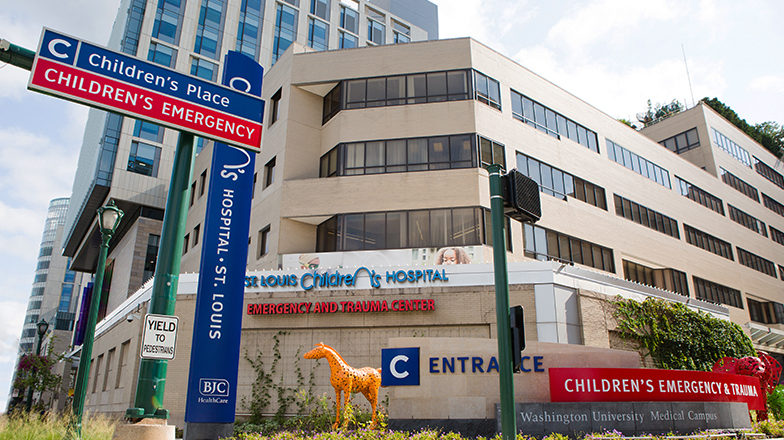 St. Louis Children’s Hospital
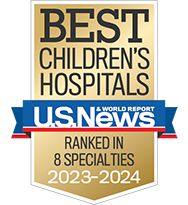 #1 in St. Louis and Nationally ranked in 8 specialties
From routine care to the most advanced treatments, we are nearby to cover your every health need across 14 hospitals, multiple convenient care locations, virtual care video visits, outpatient centers, and much more.
You deserve
You deserve care when you need it.care when you need it.







Latest From BJC
- Resource
- Resource